Introduction
Stock market trading has become increasingly popular in India over the last decade. With the rise of mobile trading apps, online brokerages, and easy access to financial markets, millions of people are now investing in stocks, derivatives, and commodities. However, alongside legitimate trading platforms, illegal systems like dabba trading have also grown quietly in the background.
Dabba trading is an unofficial and illegal form of trading that operates outside the regulated stock exchanges. Instead of executing trades on recognized exchanges, transactions are conducted privately between traders and brokers. Because these trades are not recorded in official systems, they bypass taxes, regulatory oversight, and investor protections.
Many people are attracted to dabba trading because it promises high profits, tax avoidance, and quick trading access. However, the reality is that it carries extremely high risks and can lead to severe financial losses and legal consequences.
In this article, we will explain everything about dabba trading, including how it works, why it is illegal, its risks, legal implications, and how investors can protect themselves.
What Is Dabba Trading?
Dabba trading refers to an illegal method of trading in stocks or commodities outside the official stock exchanges. In this system, trades are not executed on recognized platforms like National Stock Exchange or Bombay Stock Exchange.
Instead, the transactions are handled privately by brokers who maintain their own records. These trades are typically based on the price movements of actual stocks or commodities but are not officially registered in any exchange system.
The term “dabba” comes from the Hindi word meaning box or container, which refers to keeping records hidden or off the books.
In simple words:
- Trades happen outside official exchanges
- Brokers maintain private records
- No regulatory supervision
- No official transaction records
Because of these characteristics, dabba trading is considered illegal under Indian financial laws.
History of Dabba Trading
Dabba trading has existed in India for several decades. Before the widespread adoption of digital trading platforms, many traders used informal networks to speculate on stock prices.
In cities such as Mumbai, Ahmedabad, and Jaipur, local brokers would accept bets on stock price movements without executing trades on the exchange.
This underground trading system grew due to several reasons:
- High taxes on legitimate trades
- Limited access to stock exchanges
- Desire for high leverage trading
- Lack of regulatory awareness
With the growth of online trading, dabba trading has shifted from physical broker networks to mobile apps and private software platforms.
How Dabba Trading Works
Understanding the working mechanism of dabba trading helps explain why it is so risky.
Step 1: Contact With an Unofficial Broker
A trader connects with a dabba operator or illegal broker. These brokers often operate through personal contacts, WhatsApp groups, or private apps.
Unlike legitimate brokers registered with Securities and Exchange Board of India, dabba brokers are completely unregulated.
Step 2: Opening an Informal Trading Account
Instead of opening a regulated demat account, the broker creates an informal account for the trader.
There is no verification through official depositories such as:
- Central Depository Services Limited
- National Securities Depository Limited
The account exists only in the broker’s private system.
Step 3: Placing Trades
The trader places buy or sell orders based on real market prices.
For example:
A trader may say:
Buy 100 shares of a company at ₹500.
However, the broker does not actually buy the shares on the exchange. Instead, the broker records the trade internally.
Step 4: Price Tracking
The broker tracks the price of stocks using real market data from exchanges like:
- National Stock Exchange
- Bombay Stock Exchange
The profit or loss is calculated based on these prices.
Step 5: Profit and Loss Settlement
At the end of the day or week, the trader settles profits or losses in cash or through unofficial transfers.
Since the trade never happened on the exchange, the settlement occurs directly between the trader and the broker.
Example of Dabba Trading
Let’s look at a simple example.
A trader believes a stock price will rise.
- Current price: ₹1000
- Trader buys 100 shares through a dabba broker
- Price rises to ₹1050
Profit calculation:
100 shares × ₹50 = ₹5000 profit.
The broker simply pays the trader ₹5000 without executing any real trade.
If the price falls, the trader must pay the loss.
This system is essentially speculation or betting on stock prices.
Why Dabba Trading Is Illegal
Dabba trading is illegal because it bypasses the regulated financial system.
Under Indian law, all stock trading must happen through registered exchanges regulated by Securities and Exchange Board of India.
The main reasons it is illegal include:
1. Tax Evasion
Since trades are not officially recorded, traders avoid taxes such as:
- Capital gains tax
- Securities transaction tax
2. Lack of Transparency
There is no official record of transactions.
3. Investor Protection Issues
Investors cannot file complaints with regulators if something goes wrong.
4. Market Manipulation
Dabba trading can influence unofficial markets and distort price signals.
Risks of Dabba Trading
Many traders are tempted by dabba trading because of high leverage and tax avoidance. However, the risks are extremely high.
1. Fraud Risk
Since the broker controls everything, they can manipulate records.
A trader may never receive profits.
2. No Legal Protection
If the broker disappears, there is no legal recourse.
3. Unlimited Losses
Dabba trading often offers extremely high leverage.
This can result in massive losses.
4. Legal Consequences
Both traders and brokers involved in dabba trading may face legal action.
Authorities frequently conduct raids against dabba trading networks.
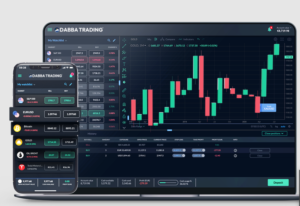
Role of Technology in Modern Dabba Trading
In recent years, dabba trading has evolved through technology.
Many illegal operators now use:
- Private trading apps
- Messaging platforms
- Custom trading software
These platforms mimic legitimate trading apps to attract users.
However, the trades still occur outside the official exchange system.
Government Actions Against Dabba Trading
Indian authorities have taken strict actions to stop illegal trading.
Regulators and law enforcement agencies regularly conduct raids on dabba trading operations.
The Securities and Exchange Board of India works with police and financial intelligence units to identify illegal brokers.
Several large networks have been shut down in cities like:
- Mumbai
- Indore
- Surat
Difference Between Legal Trading and Dabba Trading
| Feature | Legal Trading | Dabba Trading |
|---|---|---|
| Platform | Registered stock exchanges | Private systems |
| Regulation | Regulated by SEBI | No regulation |
| Record Keeping | Official transaction records | Private records |
| Taxation | Taxes applied | Often tax evasion |
| Investor Protection | Available | None |
How to Identify Dabba Trading Apps
Some signs that a trading platform may be illegal include:
- No SEBI registration
- Promises of extremely high leverage
- Cash-based settlement
- No demat account requirement
- Trading outside official exchanges
Always verify whether a broker is registered with Securities and Exchange Board of India.
How Investors Can Stay Safe
To avoid dabba trading scams, investors should follow these precautions:
1. Use Registered Brokers
Always trade through regulated brokers.
2. Verify SEBI Registration
Check the broker’s registration number.
3. Avoid Unofficial Apps
Do not use apps promoted through WhatsApp or unknown websites.
4. Maintain Transaction Records
Keep proper documentation of all trades.
5. Report Suspicious Activity
Report illegal trading to regulatory authorities.
The Future of Trading in India
India’s financial markets are becoming increasingly transparent and technology-driven.
With the growth of digital trading platforms, investors now have easy access to regulated markets.
The focus of regulators is to eliminate illegal systems like dabba trading and promote safe investing practices.
Conclusion
Dabba trading app is an illegal and highly risky trading system that operates outside official stock exchanges. While it may appear attractive due to tax avoidance and high leverage, it exposes traders to fraud, financial losses, and legal consequences.
The safest way to participate in financial markets is by using regulated platforms connected to recognized exchanges like the National Stock Exchange and Bombay Stock Exchange.
Investors should always verify broker registration with the Securities and Exchange Board of India before trading.
By staying informed and choosing legal trading platforms, investors can protect their money and participate safely in the growing Indian stock market.