Introduction
In recent years, the term Dabba Trading has gained significant attention in India’s financial circles. Promising quick profits without the formalities of stock exchanges, it attracts many beginners and even experienced traders. But behind the illusion of fast money lies a world filled with legal risks, financial uncertainty, and potential fraud.
So, what exactly is Dabba Trading? Is it a smart shortcut to wealth or a dangerous trap that can ruin your financial future?
This comprehensive guide will break down everything you need to know about Dabba Trading, including how it works, its advantages, risks, legal status, and safer alternatives.
What is Dabba Trading?
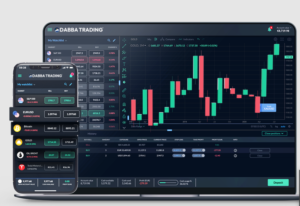
Dabba Trading refers to an illegal form of trading where transactions are conducted outside the official stock exchanges like NSE or BSE. Instead of executing trades on the exchange, brokers maintain private records of buy and sell orders.
In simple terms, it is a parallel trading system where:
- Trades are not recorded officially
- No taxes are paid
- Transactions are settled in cash
The word “Dabba” means a box or informal system, representing the hidden and unregulated nature of this practice.
How Does Dabba Trading Work?
Understanding the working mechanism is crucial to identifying the risks involved.
Step-by-Step Process:
- Opening an Account Traders open an account with an unregistered broker.
- Placing Orders Orders are placed just like in the stock market, but they are not sent to any exchange.
- Internal Recording The broker records transactions in their own system (often manually or via private software).
- Price Tracking Prices are usually linked to real-time market prices to maintain authenticity.
- Settlement Profits and losses are settled in cash or informal channels.
This entire process bypasses regulatory authorities, making it illegal.
Why Do People Choose Dabba Trading?
Despite being illegal, many traders are drawn to Dabba Trading. Here’s why:
1. No Taxes
Profits are not reported, so traders avoid income tax and capital gains tax.
2. High Leverage
Brokers often provide very high leverage, increasing profit potential.
3. Low Initial Investment
Traders can start with small amounts.
4. No Documentation
No KYC or formal paperwork is required.
5. Quick Profits
The promise of fast money attracts many beginners.
The Dark Reality of Dabba Trading
While the benefits may sound appealing, the risks are severe and often overlooked.
1. Completely Illegal
Dabba Trading is banned in India under securities laws.
2. No Legal Protection
If a broker cheats you, you have no legal recourse.
3. High Risk of Fraud
Many operators manipulate records and deny payouts.
4. Market Manipulation
Prices can be altered internally to ensure traders lose money.
5. Cash-Based Transactions
Handling large cash amounts increases financial and legal risks.
Is Dabba Trading Legal in India?
No, Dabba Trading is strictly illegal in India.
It violates multiple laws, including:
- Securities Contracts Regulation Act (SCRA)
- SEBI regulations
- Income Tax laws
Authorities regularly conduct raids and take strict action against those involved.
Penalties and Punishments
Engaging in Dabba Trading can lead to serious consequences:
- Heavy fines
- Imprisonment
- Seizure of assets
- Legal proceedings
Both traders and brokers can be punished under the law.
Real-Life Risks: What Can Go Wrong?
Let’s look at some common scenarios:
Case 1: Broker Disappears
A trader earns profits, but the broker shuts down operations overnight.
Case 2: Payment Denial
The broker refuses to pay profits, claiming losses.
Case 3: Legal Trouble
Authorities trace transactions, leading to investigation and penalties.
Dabba Trading vs Legal Stock Market
| Feature | Dabba Trading | Legal Trading |
|---|---|---|
| Regulation | None | SEBI Regulated |
| Transparency | Low | High |
| Risk | Extremely High | Controlled |
| Taxation | Avoided | Mandatory |
| Safety | Unsafe | Secure |
Psychological Trap of Fast Money
Dabba Trading thrives on the human desire for quick wealth.
Traders often:
- Ignore risks
- Overtrade due to high leverage
- Fall into addiction-like behavior
This can lead to significant financial losses and stress.
Safer Alternatives to Dabba Trading
If you want to trade legally and safely, consider these options:
1. Stock Market Trading
Invest through registered brokers.
2. Mutual Funds
Ideal for beginners with low risk.
3. ETFs
Exchange-traded funds offer diversification.
4. Commodity Trading
Trade in gold, silver, etc., through legal platforms.
5. Forex (Legal Platforms Only)
Trade currency pairs through regulated exchanges.
How to Identify a Dabba Trading Broker
Be cautious if you notice:
- No registration or license
- Cash transactions only
- No contract notes
- Unrealistic profit promises
- No official trading platform
Tips to Stay Safe
- Always verify broker registration
- Avoid cash dealings
- Do proper research
- Focus on long-term investing
- Follow legal trading practices
FAQs
What is Dabba Trading?
Dabba Trading is an illegal form of trading conducted outside official stock exchanges.
Is Dabba Trading safe?
No, it is highly risky and unsafe.
Can you make money from Dabba Trading?
While some may earn temporarily, the risks outweigh the benefits.
Why is Dabba Trading illegal?
Because it bypasses regulations, taxes, and investor protection laws.
What is the punishment for Dabba Trading?
Fines, imprisonment, and legal action.
Conclusion
Dabba Trading account may look like an easy way to earn quick money, but it is filled with legal dangers, financial risks, and ethical concerns. The lack of transparency and regulation makes it a highly unsafe option for traders.
Instead of chasing shortcuts, focus on legal and sustainable investment methods. Building wealth takes time, discipline, and the right knowledge.
Remember: If something sounds too good to be true, it probably is.
Final Thoughts
In the battle between fast money and financial security, always choose the path that protects your future. Dabba Trading is not just risky—it can be a life-altering mistake.
Stay informed. Stay legal. Stay safe.