Introduction
The stock market has become extremely popular over the last few years. With the rise of online trading platforms, mobile apps, and easy account opening processes, millions of people are entering the world of trading and investing. However, alongside legitimate trading platforms, some unofficial and illegal trading practices also exist. One of the most talked-about among them is Dabba Trading.
In many trading communities, people often hear about something called a Quick Access Dabba Trading Account. These accounts promise fast access, high leverage, and minimal documentation. While they may sound attractive to beginners who want quick profits, there are serious risks and legal issues associated with them.
In this detailed guide, we will explain what a Quick Access Dabba Trading Account is, how it works, its advantages, risks, legality, and safer alternatives. This article is written in simple language so that beginners can easily understand the topic without confusion.
What is Dabba Trading?
Before understanding a Quick Access Dabba Trading Account, it is important to understand the meaning of Dabba Trading.
Dabba trading is an illegal form of stock market trading where transactions take place outside official stock exchanges like NSE or BSE. In this system, trades are not recorded on the exchange but are handled privately by brokers.
In simple words:
Instead of placing your trade in the real stock market, the broker records the trade internally in their system. Profits and losses are settled directly between the trader and the broker.
Because these trades never reach the actual exchange, they operate outside the legal regulatory framework.
What is a Quick Access Dabba Trading Account?
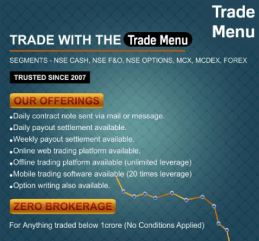
A Quick Access Dabba Trading Account is a type of informal trading account offered by illegal brokers that allows traders to quickly start dabba trading without going through official procedures.
Unlike legitimate trading accounts that require KYC verification and regulatory approval, these accounts are usually opened instantly with minimal documentation.
The term “quick access” simply means that traders can start trading almost immediately without waiting for verification or approvals.
These accounts are often offered through:
- Private brokers
- Unofficial trading networks
- Messaging apps
- Local trading operators
Because they bypass regulatory systems, they are considered high-risk and illegal in many countries, including India.
How a Quick Access Dabba Trading Account Works
The working mechanism of a Quick Access Dabba Trading Account is quite different from legitimate stock market accounts.
Here is how the process usually works:
1. Contacting an Unofficial Broker
The trader contacts a broker who offers dabba trading services. These brokers are not registered with official regulators.
2. Account Creation
The broker creates a quick trading account in their internal software or platform.
Unlike legitimate accounts, this may not require:
- PAN verification
- Aadhaar verification
- KYC compliance
3. Deposit of Funds
The trader deposits money directly with the broker. This is often done through:
- Cash
- UPI transfers
- Bank transfers
- Cryptocurrency (in some cases)
4. Trading on the Platform
The trader receives access to a trading interface where they can place buy or sell orders.
However, these trades are not sent to the real stock exchange.
5. Profit or Loss Settlement
All profits or losses are settled internally by the broker.
If the trader wins, the broker pays the profit.
If the trader loses, the broker keeps the money.
Key Features of Quick Access Dabba Trading Accounts
Several features attract traders to these accounts.
Instant Account Opening
One of the biggest attractions is the ability to open an account instantly without lengthy verification.
High Leverage
Many dabba brokers offer extremely high leverage, sometimes up to 100x or more.
No Regulatory Restrictions
Since the system operates outside official exchanges, traders may not face regulatory limitations.
Flexible Trading
Some brokers allow trading in various instruments including:
- Stocks
- Commodities
- Indices
- Forex
Minimal Documentation
Most quick access accounts require little to no documentation.
Why Some Traders Use Dabba Trading Accounts
Even though dabba trading is illegal, some traders still use these accounts due to certain perceived advantages.
Easy Access
Opening a legitimate trading account requires verification and documentation. Dabba trading accounts bypass these processes.
High Leverage
Traders who want to take large positions with small capital may find these accounts attractive.
No Tax Reporting
Some traders believe that since the trades are not recorded on official exchanges, taxes can be avoided.
However, this assumption is extremely risky and can lead to legal consequences.
Quick Trading Setup
Many beginners prefer fast access without waiting for approvals.
Risks of Using a Quick Access Dabba Trading Account
Despite its apparent benefits, dabba trading comes with serious risks.
Legal Consequences
In many countries, including India, dabba trading is illegal under securities laws.
Authorities such as the Securities and Exchange Board of India strictly prohibit such trading practices.
Participants can face:
- Heavy fines
- Legal action
- Criminal charges
Fraud Risk
Because dabba brokers operate without regulation, traders have no protection against fraud.
The broker can simply disappear with the funds.
No Investor Protection
In legitimate trading accounts, investors are protected by regulations and exchanges like National Stock Exchange of India and Bombay Stock Exchange.
With dabba trading, there is no investor protection mechanism.
Manipulation by Brokers
Since trades are handled internally, brokers can manipulate prices or trade outcomes.
No Legal Recourse
If disputes arise, traders usually have no legal way to recover their money.
Is Dabba Trading Legal?
No. Dabba trading is illegal in many jurisdictions.
In India, it violates multiple financial regulations and securities laws.
Regulators like Securities and Exchange Board of India actively monitor and take action against such activities.
Authorities often conduct raids on dabba trading operations and penalize both brokers and traders involved.
Therefore, participating in dabba trading can lead to serious legal trouble.
How Regulators Detect Dabba Trading
Regulatory authorities use several methods to detect illegal trading networks.
Surveillance Systems
Stock exchanges use advanced surveillance systems to detect suspicious activity.
Financial Audits
Authorities monitor unusual cash movements and unreported trading activities.
Informants
Sometimes insiders or traders report illegal operations to regulators.
Digital Tracking
Online platforms and messaging groups used by dabba brokers can be traced.
Difference Between Legal Trading and Dabba Trading
Understanding the difference between legal trading and dabba trading is important.
| Feature | Legal Trading | Dabba Trading |
|---|---|---|
| Regulation | Fully regulated | Illegal |
| Exchanges | NSE, BSE | No exchange |
| Investor Protection | Yes | No |
| Transparency | High | Very low |
| Legal Risk | None | Very high |
Safer Alternatives to Dabba Trading
Instead of using illegal trading accounts, traders should consider legitimate options.
Open a Legal Trading Account
You can open a trading account with registered brokers approved by Securities and Exchange Board of India.
Use Discount Brokers
Modern discount brokers offer low brokerage and quick account opening.
Learn Stock Market Basics
Before trading, it is important to understand:
- Market analysis
- Risk management
- Technical indicators
Start With Small Capital
Beginners should start with small investments and gradually gain experience.
Tips for Safe Stock Market Trading
To avoid illegal platforms and protect your capital, follow these tips.
Verify Broker Registration
Always check whether the broker is registered with Securities and Exchange Board of India.
Avoid Unofficial Platforms
Never trade on platforms that operate outside official exchanges.
Beware of High Leverage Promises
Extremely high leverage offers are often a warning sign.
Maintain Proper Records
Always keep records of your transactions for transparency and tax purposes.
Future of Illegal Trading Practices
Regulators worldwide are becoming more strict about illegal trading practices.
With advanced monitoring technology and stronger financial regulations, many illegal trading networks are being shut down.
Governments and financial authorities continue to educate investors about the dangers of such activities.
As awareness increases, more traders are moving toward legal and transparent trading platforms.
Conclusion
A Quick Access Dabba Trading Account may seem appealing because of its fast setup, high leverage, and minimal documentation. However, these accounts operate outside the legal financial system and come with significant risks.
Traders who use such accounts may face fraud, financial loss, and even legal consequences. Since dabba trading is illegal in many countries, including India, it is strongly recommended to avoid these platforms.
Instead, traders should choose legitimate brokers, follow proper regulations, and build their trading skills gradually.
The stock market offers many opportunities for wealth creation, but success depends on discipline, knowledge, and using legal platforms.
By making informed decisions and avoiding illegal trading systems, investors can protect their money and build a safer financial future.