How Dabba Trading Software Works and How People Operate on It – A Complete Educational Guide
Introduction
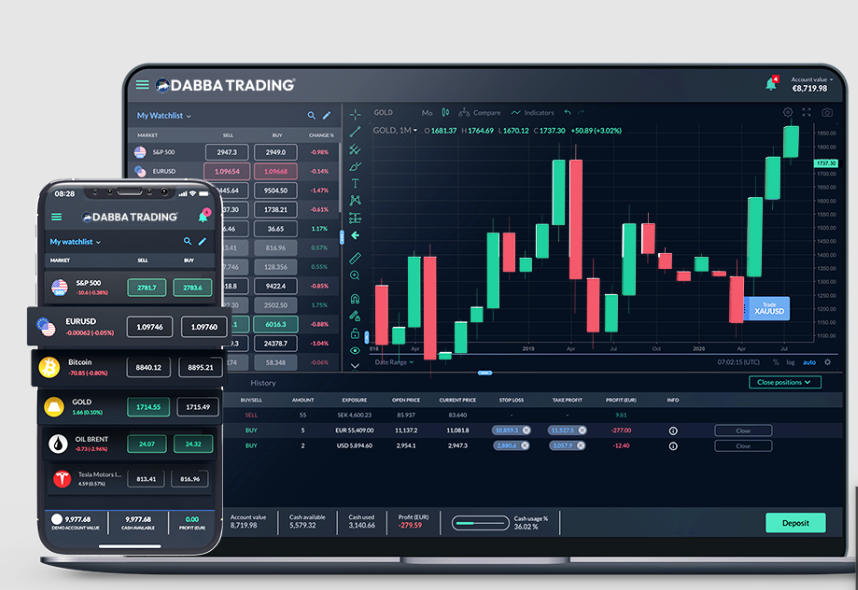
With the rapid growth of online trading and digital platforms, many alternative and unregulated systems have also emerged. One such system that frequently appears in discussions is dabba trading software. At first glance, dabba trading software looks similar to legal stock market trading platforms, offering real-time prices, buy/sell options, profit and loss dashboards, and leverage facilities.
However, behind this attractive interface lies a system that operates outside official stock exchanges like NSE and BSE. Dabba trading is considered illegal in India, and participants face serious financial and legal risks.
This article is written purely for educational and awareness purposes. It explains:
- What dabba trading software is
- How it works technically and operationally
- Who controls the system
- How profit and loss are calculated
- Why it is risky and illegal
- What legal and safe alternatives exist
This guide will help readers clearly understand the reality behind dabba trading software.
What Is Dabba Trading?
Dabba trading is an off-market trading system where trades are not executed on any recognized stock exchange. Instead of placing orders on NSE or BSE, all transactions are recorded privately by a broker or operator.
In simple terms:
- No real shares are bought or sold
- No exchange confirmation exists
- Trades are settled internally
The word “dabba” literally means box, symbolizing that all records remain inside a closed system rather than entering official exchange books.
What Is Dabba Trading Software?
Dabba trading software is a private digital platform designed to simulate real stock market trading. It provides users with an interface that looks almost identical to legal trading applications but functions very differently behind the scenes.
Key Characteristics:
- No direct connection with NSE or BSE
- Orders are recorded only within the software
- Prices may be delayed, copied, or manipulated
- Complete control remains with the software operator
This software can be accessed via:
- Web-based trading panels
- Android applications (usually APK files, not Play Store apps)
- Desktop-based systems
Why Dabba Trading Software Looks Like Real Trading Platforms
Dabba trading software is intentionally designed to imitate legal trading platforms. This makes it easier to attract users who may not fully understand how regulated trading works.
Common similarities include:
- Live-looking price charts
- Buy and sell buttons
- Intraday and margin options
- Profit and loss (P&L) dashboards
- Multiple tradable instruments (equity, index, commodities)
Despite these similarities, the underlying system is entirely different.
Technical Architecture of Dabba Trading Software
Understanding the backend structure helps explain how dabba trading actually operates.
1. Price Feed System
Legal brokers receive prices through authorized exchange data feeds. Dabba trading software does not.
Instead, it may use:
- Delayed public data
- Unauthorized third-party feeds
- Manually adjusted prices
In some cases, the admin can modify price movements to manage risk or control outcomes.
2. Order Management System (Internal OMS)
When a user places a buy or sell order:
- The order is not sent to any exchange
- It is saved in a private database
- No exchange order ID is generated
The order is purely notional, meaning it exists only within the system.
3. Trade Matching Mechanism
In legal markets, buy and sell orders are matched by the exchange.
In dabba trading:
- No external matching occurs
- Trades are settled internally
- Client positions are often offset against each other
If one client profits, another client (or the broker) absorbs the loss.
4. Ledger and Settlement Engine
The software calculates:
- Daily profit and loss
- Margin usage
- Brokerage or commission
Settlement usually occurs:
- Daily or weekly
- Via cash, UPI, or informal payment channels
- Without official documentation
5. Admin Control Panel
The most powerful part of dabba trading software is the admin panel.
Admin capabilities often include:
- Changing leverage limits
- Adding artificial slippage
- Freezing or disabling accounts
- Adjusting user profit or loss visibility
- Blocking withdrawals
This centralized control creates extreme risk for users.
How Dabba Trading Software Works: Step-by-Step Flow
Below is a simplified educational explanation of how the system typically functions.
- A user receives a login ID and password
- The user logs into the trading panel or app
- Market-like prices appear on the screen
- The user places buy or sell orders
- Orders are recorded internally
- Price movement determines profit or loss
- Settlement is done manually by the operator
At no point do these trades reach a recognized stock exchange.
Roles Involved in the Dabba Trading System
1. Software Owner / Admin
- Owns or controls the software
- Manages risk and settlement
- Holds complete authority
2. Master Broker
- Distributes trading IDs
- Manages large groups of users
- Acts as an intermediary
3. Sub-Broker / Agent
- Brings in retail clients
- Earns commission
- Handles communication
4. Trader / End User
- Trades based on price movement
- Bears the highest financial risk
- Has the least control
Instruments Traded on Dabba Trading Software
Most dabba trading platforms allow trading in:
- Equity stocks
- Stock indices (NIFTY, BANK NIFTY)
- Commodities
- Forex pairs
These instruments are only price references, not actual assets.
Leverage and Margin in Dabba Trading
One major attraction is extremely high leverage.
Examples:
- ₹5,000 margin controlling ₹5–10 lakh exposure
- No standardized risk limits
While this seems attractive, it increases:
- Volatility
- Probability of total capital loss
- Broker advantage
How Profit and Loss Are Calculated
Profit and loss are calculated internally based on:
- Entry price
- Exit price
- Quantity
- Admin-defined rules
Since there is no exchange verification:
- Prices can be altered
- Slippage can be added
- Stop-loss may not execute properly
Why Brokers Profit in Dabba Trading
In most cases:
- Client losses = broker profits
- Broker does not hedge trades in the real market
- Risk is transferred entirely to the trader
This creates a conflict of interest, unlike legal trading.
Major Risks of Dabba Trading Software
1. Total Capital Loss
The admin can:
- Shut down the system
- Block accounts
- Refuse withdrawals
2. Price Manipulation
Artificial spikes or drops can:
- Trigger stop-losses
- Wipe out positions
3. No Legal Protection
Since trading is illegal:
- SEBI complaints are not valid
- Legal recovery is difficult
4. Payment and Cyber Fraud
Unregulated payment channels increase:
- Fraud risk
- Data theft
- Identity misuse
Is Dabba Trading Legal in India?
No. Dabba trading is illegal in India.
According to Indian laws:
- Trading must occur on SEBI-recognized exchanges
- Off-market speculative trading is prohibited
- Operators may face criminal charges
Authorities regularly conduct raids and investigations related to dabba trading networks.
Why People Still Use Dabba Trading Software
Despite the risks, some people are attracted due to:
- High leverage promises
- Fast settlement claims
- Low documentation requirements
- Misleading profit stories
However, these benefits are short-lived and highly risky.
Dabba Trading Software vs Legal Trading Platforms
| Feature | Dabba Trading | Legal Trading |
|---|---|---|
| Exchange Execution | No | Yes |
| SEBI Regulation | No | Yes |
| Transparency | Low | High |
| Investor Protection | None | Available |
| Risk Control | Broker-controlled | System-controlled |
Legal and Safe Alternatives to Dabba Trading
For those interested in trading or investing, safer options include:
- SEBI-registered brokers
- Equity delivery trading
- Index ETFs
- Mutual funds
- Paper trading for learning
These options provide transparency, regulation, and legal protection.
Can Learning Dabba Trading Software Be Useful?
From a technical or academic perspective, understanding dabba trading can help:
- Learn about market psychology
- Understand risk management failures
- Identify fraud indicators
However, using it for real money trading is not advisable.
Future Outlook of Dabba Trading in India
With:
- Improved digital payment tracking
- Increased regulatory enforcement
- Stronger surveillance systems
The future of dabba trading appears increasingly unsafe and unstable.
Conclusion
Dabba trading software may look sophisticated and profitable on the surface, but in reality, it operates:
- Outside the legal framework
- Without transparency
- With extreme risk for users
The system is designed to favor operators, not traders. Anyone seeking long-term financial growth should focus on regulated, legal, and transparent investment platforms.